

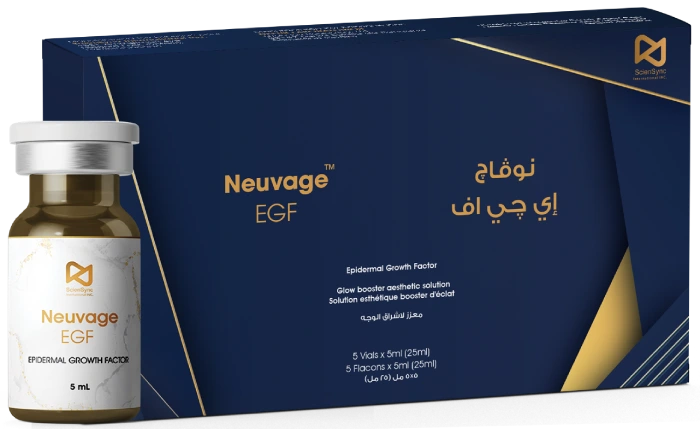
EGF
Precision Cellular Repair Complex
- PDRN
- Ferulic Acid
- CoQ10
Accelerate Healing & Recovery
Accelerate Healing & Recovery
Accelerate Healing & Recovery
Accelerate Healing & Recovery
Clinical Problem
Post-procedure skin faces a compounding burden: delayed healing cascade, cellular energy deficit from mitochondrial ATP depletion, and oxidative stress overload from ROS accumulation. Standard single-ingredient products cannot address all three simultaneously.
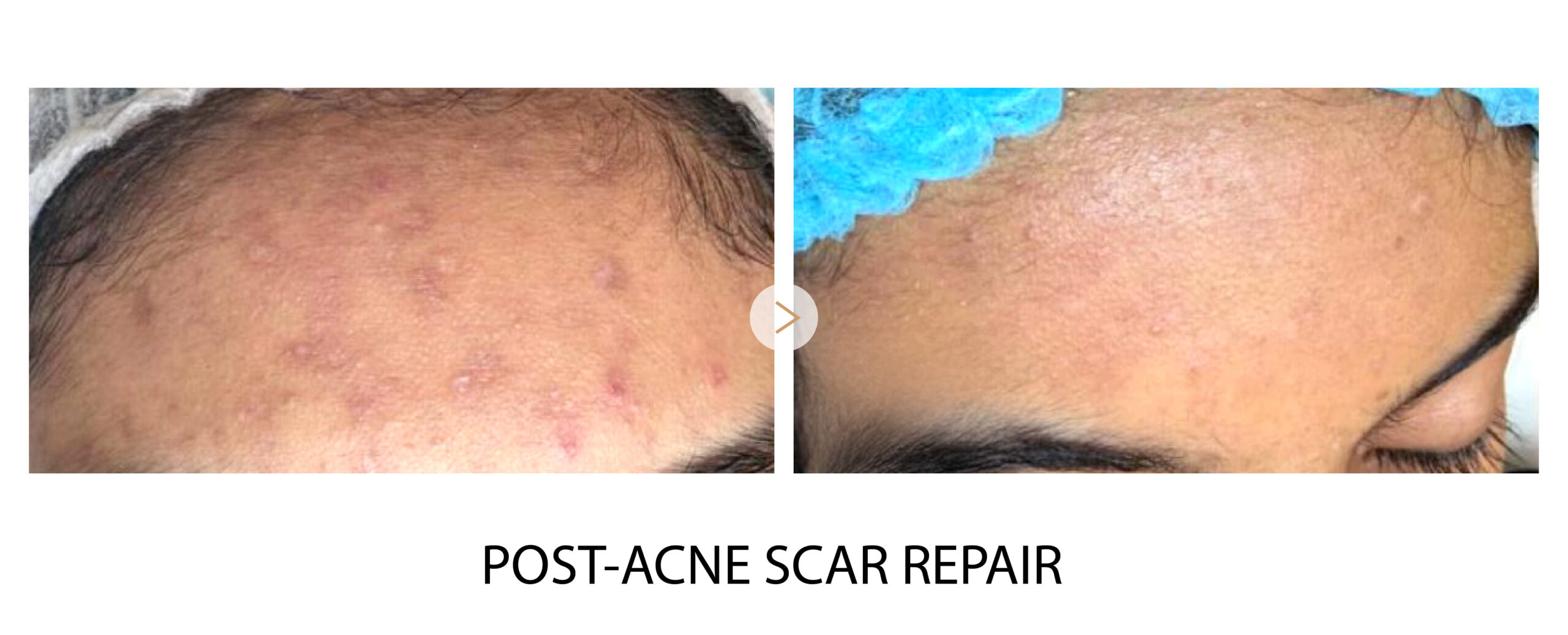
Clinical Photography
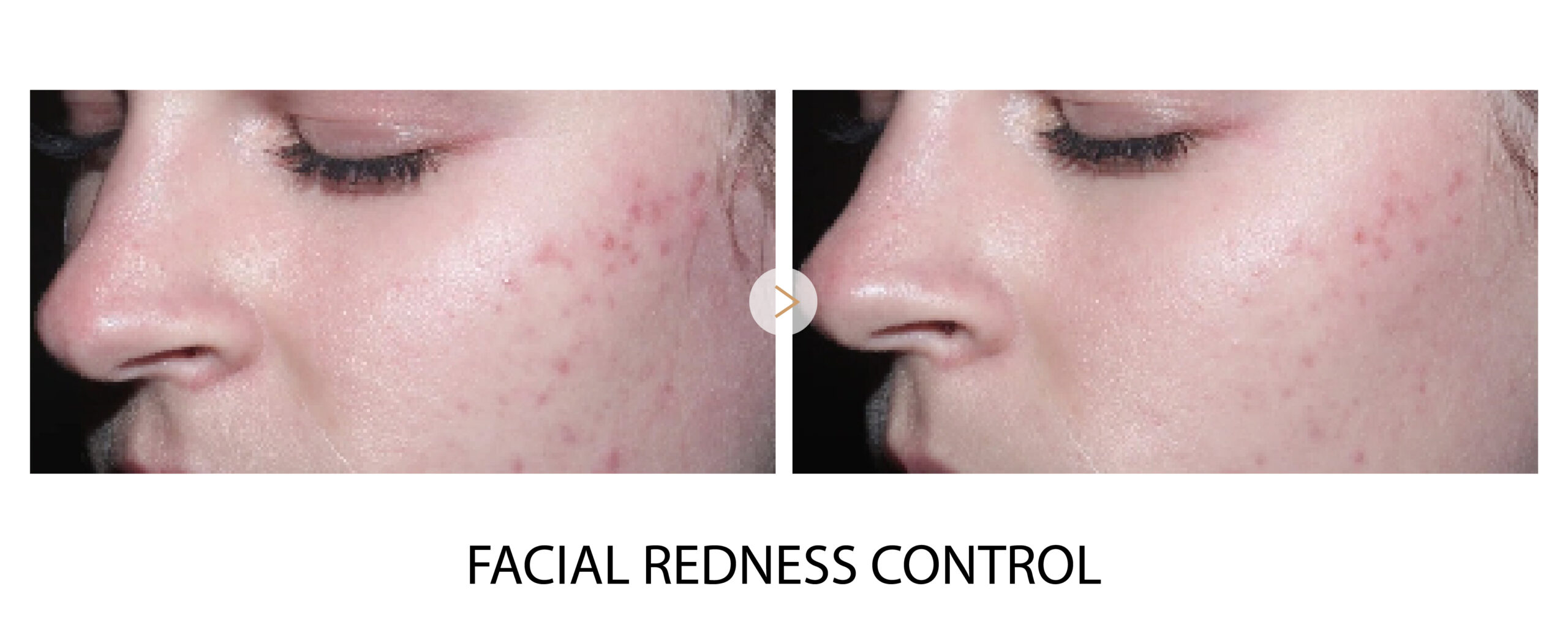
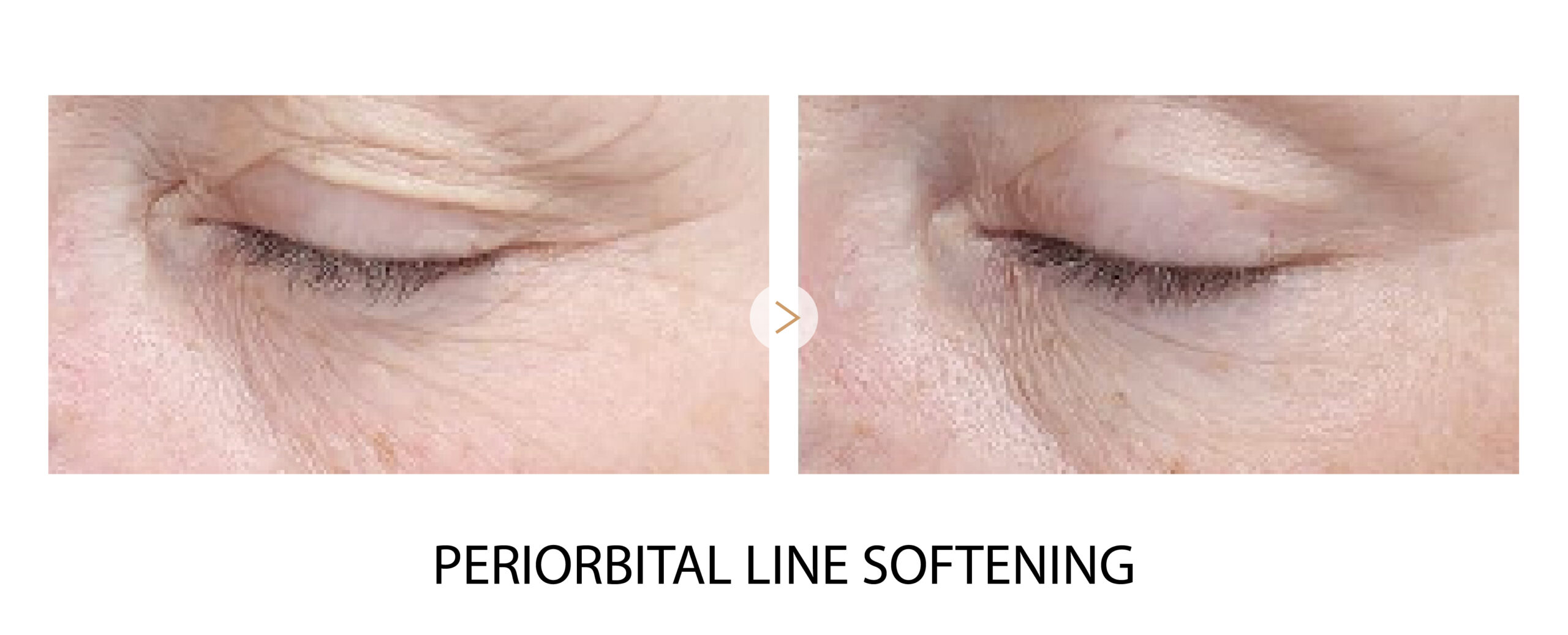
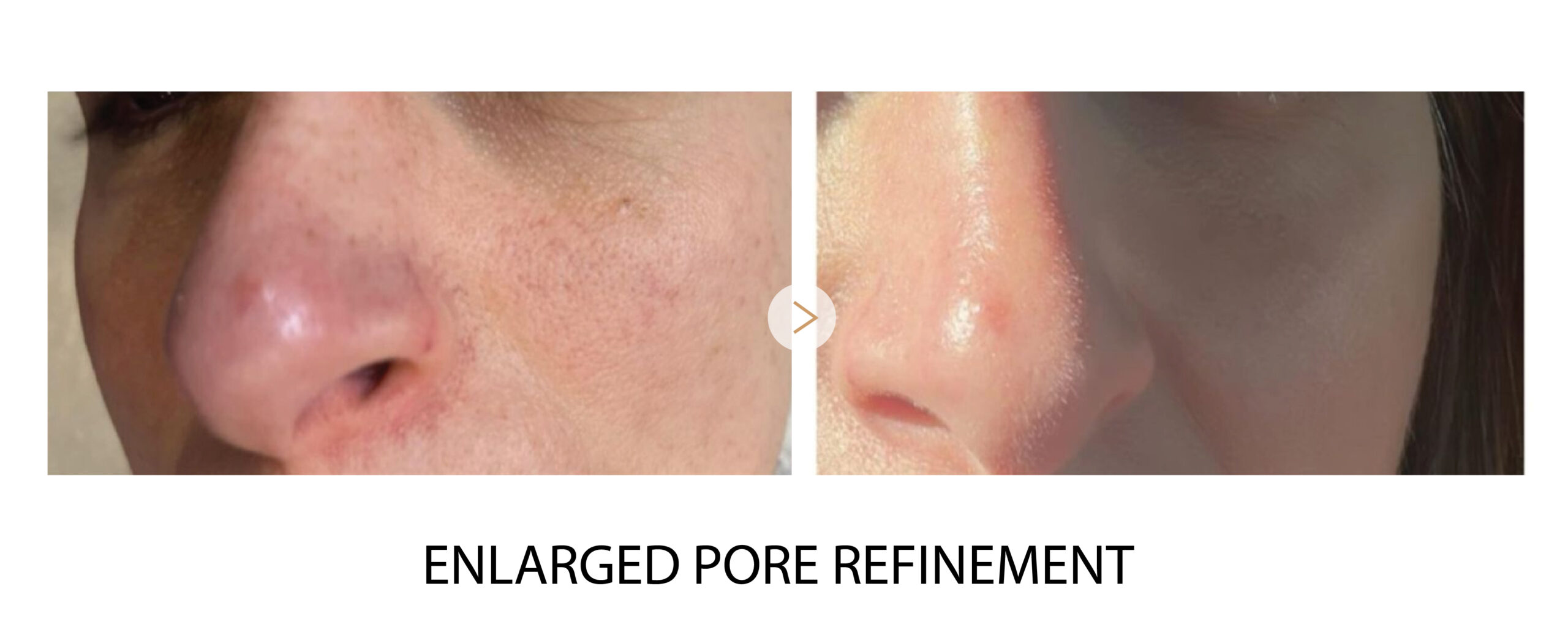
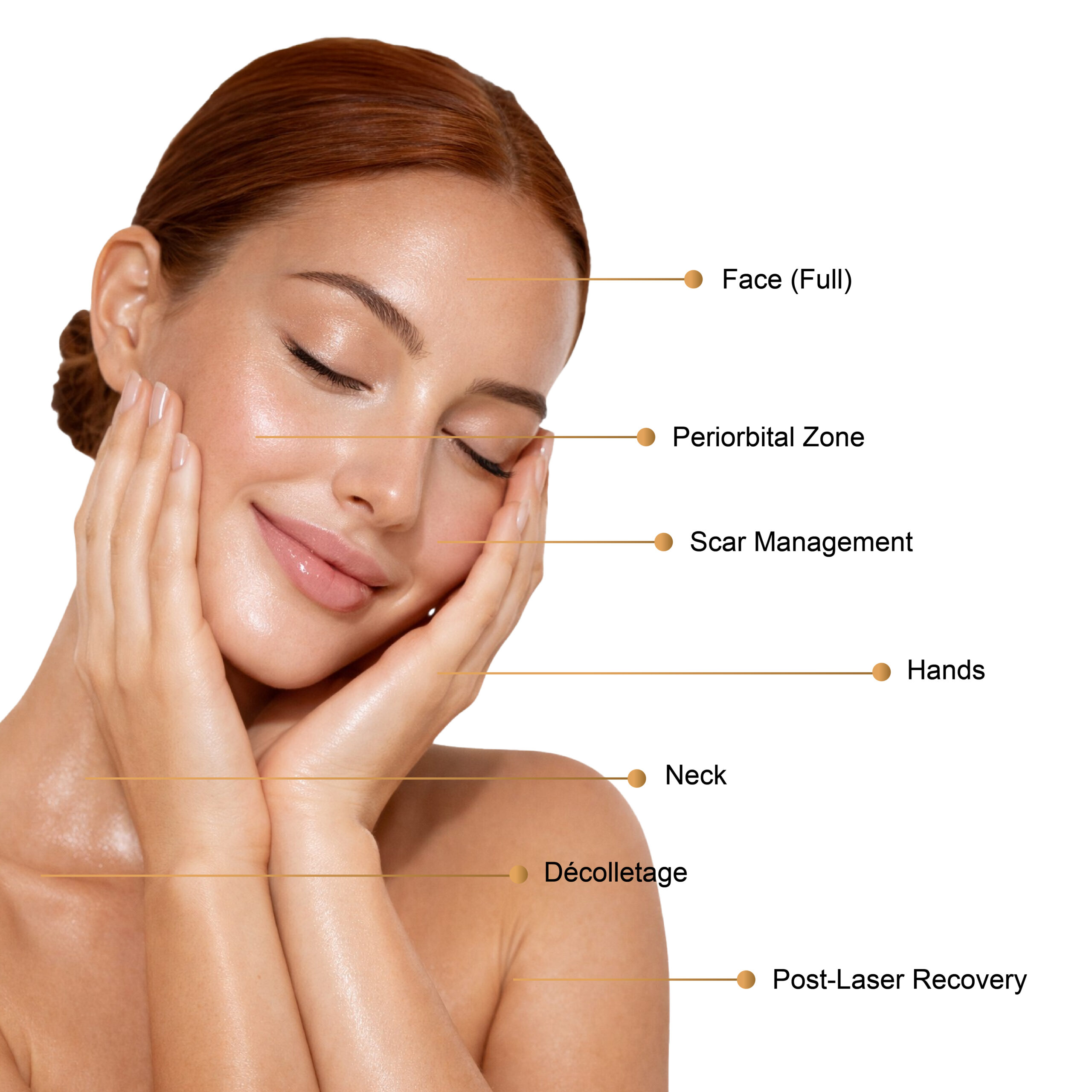
Treatment Areas
Target Patient
Post-laser resurfacing
(CO₂, Erbium, Fractional)
Post-chemical peel
(medium to deep)
Post-microneedling /
radiofrequency
Post-ablative or surgical
procedure recovery
Chronic photodamage
UV-burdened skin
Acne scarring with high
inflammatory burden
Impaired wound healing /
slow skin recovery
Product Benefits
Healing Begins Faster
Wound closure at Day 14
Strengthens Barrier
Barrier Restoration

Boosts Regeneration
Enhanced Collagen & Cellular Energy
Reduces Inflammation
TEWL Reduction
Improves Hydration
Moisture Retention
Product Composition
Lorem ipsum dolor sit amet, consectetur adipiscing elit. Ut elit tellus, luctus nec ullamcorper mattis, pulvinar dapibus leo.
Ingredient
Function
PDRN (Salmon DNA Polynucleotides)
DNA repair · Fibroblast activation · A2A receptor pathway · ECM restoration
Ferulic Acid
ROS neutralisation · UV protection · Synergises PDRN anti-aging effect · HIF inhibitor
CoQ10 (Ubiquinone)
Mitochondrial ATP boost · Electron transport chain activation · Cellular energisation
Bioavailability-optimised delivery
Pharmaceutical-grade stability · pH and osmolarity verified per lot
Clinical Performance
Mechanism of Action
Clinically validated healthcare platforms advancing regenerative aesthetics, microbiome science, and reproductive innovation.
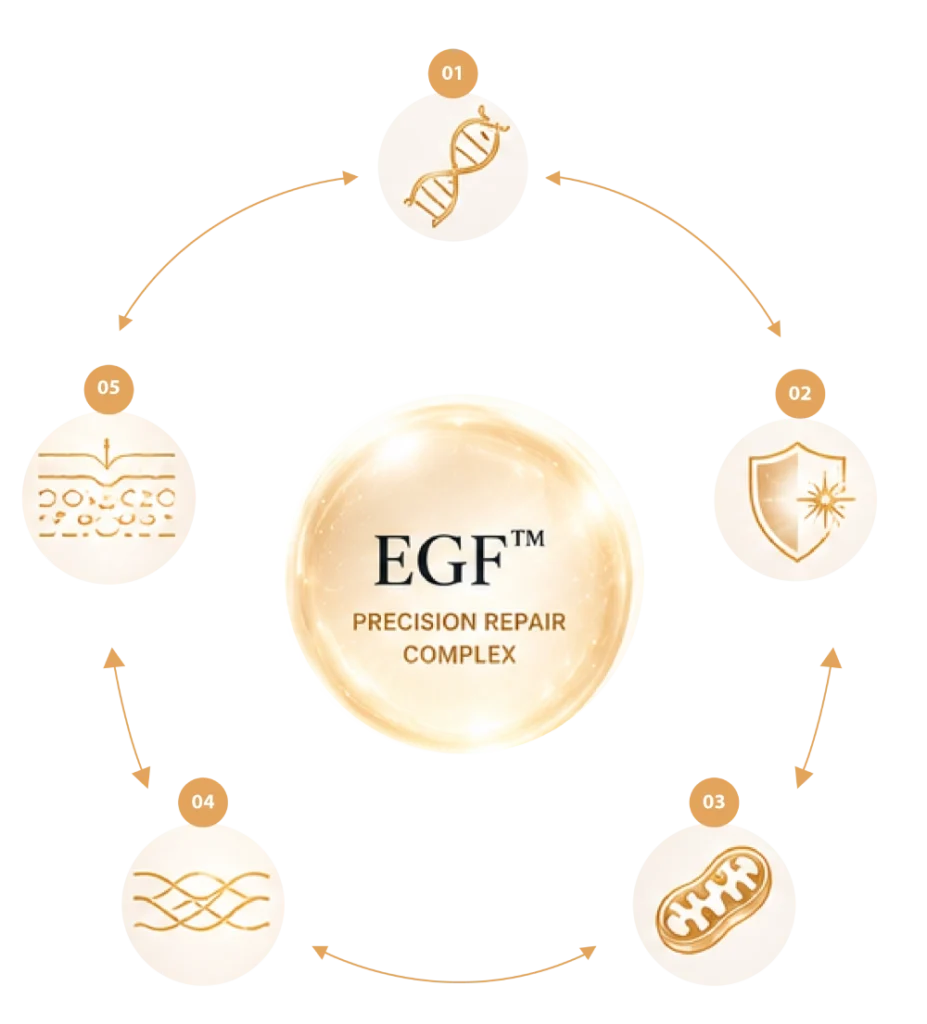
PDRN Receptor Activation
ROS Protection
Mitochondrial Energisation
Collagen & ECM Synthesis
Epidermal Renewal & Barrier
Clinical Performance
Clinical Performance.
Visibly Measured.
Clinically validated healthcare platforms advancing regenerative aesthetics, microbiome science, and reproductive innovation.
Wound Closure · Day 14
Collagen Deposition
Cell Proliferation (K67)
Elasticity · Week 12
TEWL Barrier Reduction
Barrier Restoration vs Control
Clinical Data over time
Wound Closure Over Time
(Percentage of Wound Area Closed)
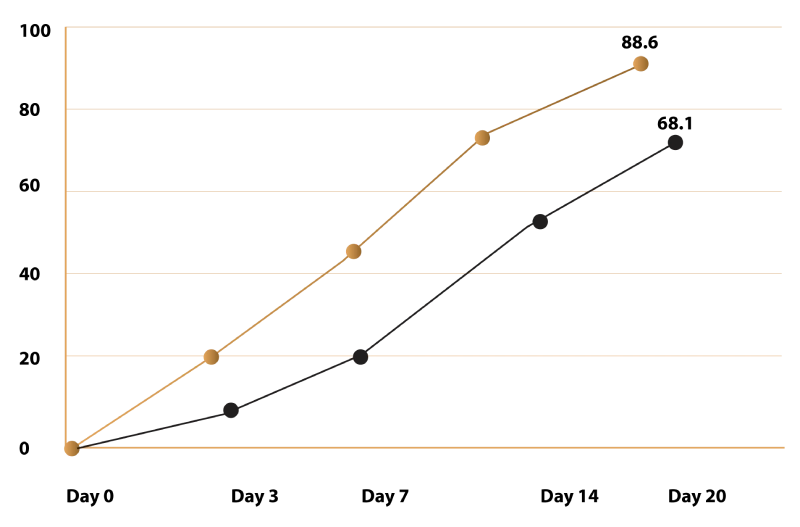
closure at day 14
- Neuvage EGF
- Control
Collagen Deposition Over Time
(% Increase in collagen Density)
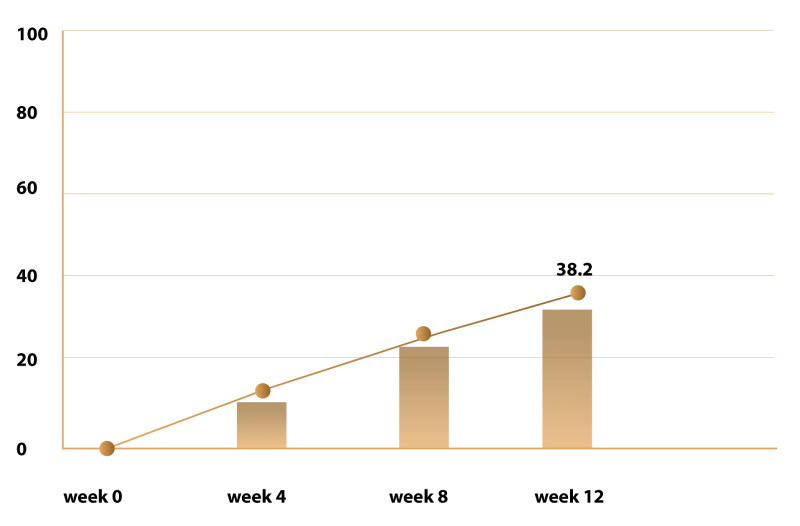
collagen deposition ae week 12
- Neuvage EGF
- Control
Wound Closure Over Time
(Percentage of Wound Area Closed)
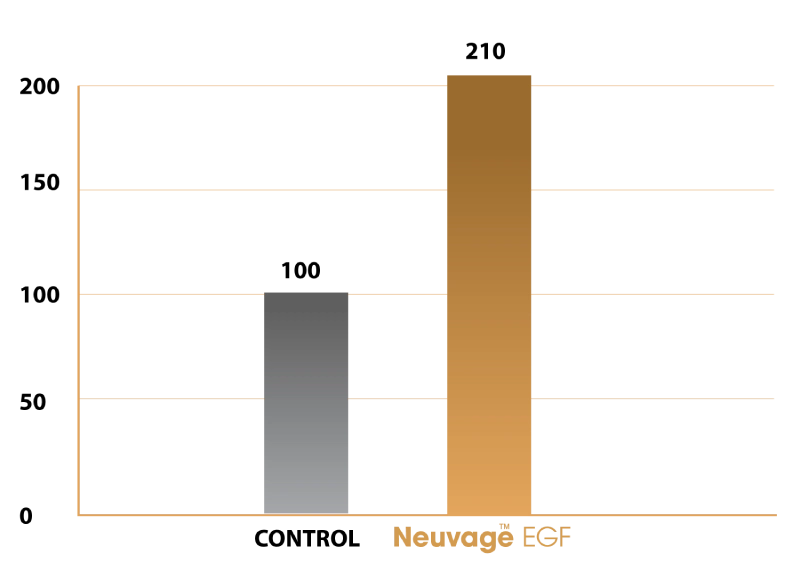
Cell proliferation vs control
More Than Numbers. Real skin Benefits.
Faster Recovery
Accelerates wound closure and reduces downtime post-procedure,
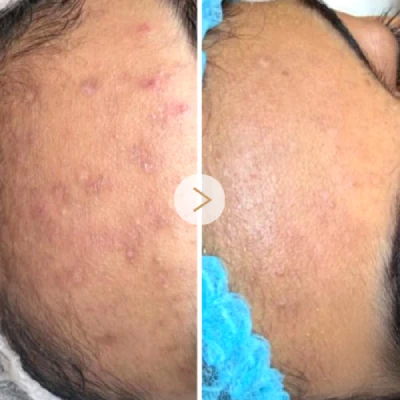
Stronger Skin Barrier
Restores barrier integrity, reduces TEWL, and improves hydration retention.
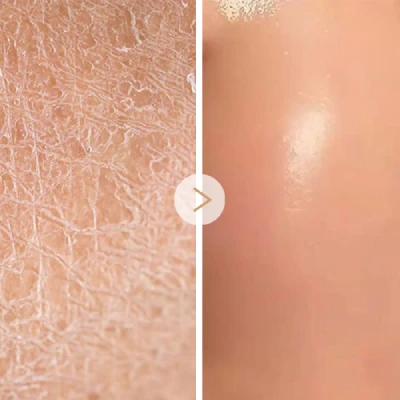
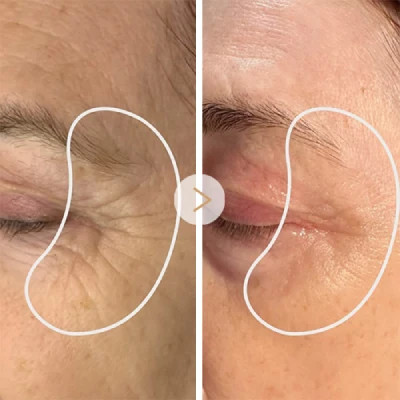
Better Elasticity
Stimulates collagen and elastin synthesis for firmer, smoother, more resilient skin.
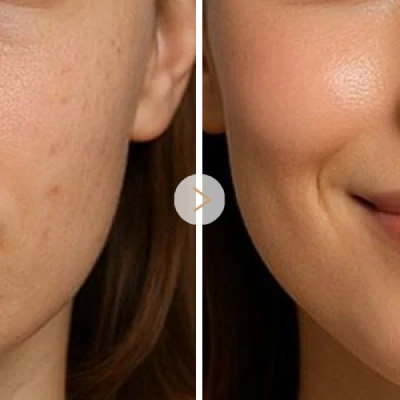
Improved Skin Quality
Enhances texture, tone, and radiance for visibly healthier, younger-looking skin.
Clinical Results
Induction Sessions
3–4 Sessions
Every 2.5–4 weeks
Volume per Session
2–4 mL
Per anatomical area
Post-Procedure Timing
Same session / Day 1
Following laser, peel, or needling
Maintenance
1–2 Sessions
Every 5–6 months
Treatment Areas
Face (Full) · Periorbital · Hands & Body · Neck & Décolletage · Scars & Post-Acne · Scalp
Frequently Asked Questions
Scientific References
- Journal of Cosmetic Dermatology (JCD) · 71.2% wound closure validation · p<0.01 · 155-subject study
- CD34 angiogenic marker analysis · 20.5 vessels/field MVD quantification · histological endpoints
- EU GMP manufacturing · PDRN pharmaceutical-grade sterility and potency verification per lot
Duration
All clinical data referenced from published peer-reviewed sources. For professional use by qualified healthcare providers only. Not for patient self-diagnosis or treatment.