


Blog
Microbiome Balance: The Foundation of Lifelong Health

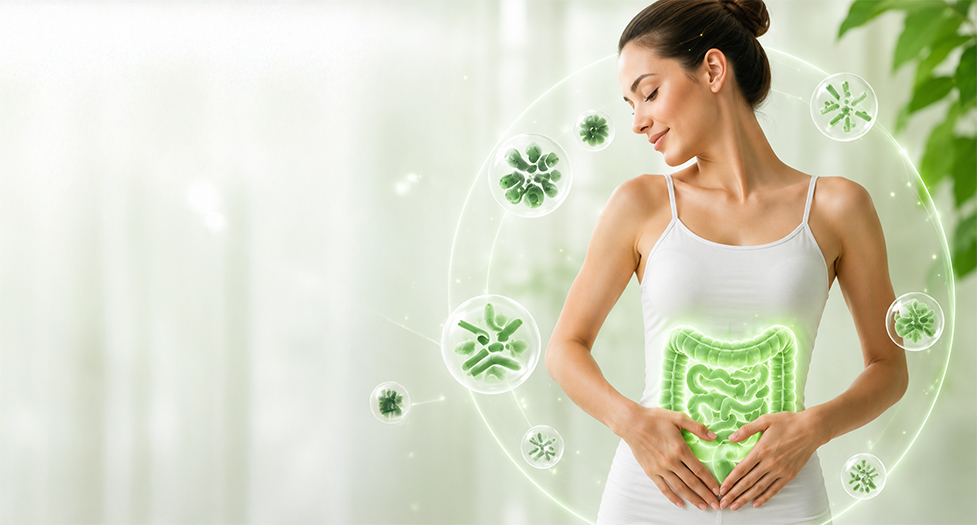
The human body is home to trillions of microorganisms that form a complex ecosystem known as the microbiome. Among these, the gut microbiome plays a critical role in maintaining overall health, influencing everything from digestion and immunity to skin health and mental well-being.
As scientific understanding of the microbiome continues to grow, healthcare professionals increasingly recognize that supporting gut health is one of the most effective ways to promote wellness at every stage of life.
What Is the Gut Microbiome?
The gut microbiome is a diverse community of beneficial bacteria, fungi, and other microorganisms that reside primarily in the digestive tract. These microorganisms work together to perform essential biological functions, including:
- Digesting food and absorbing nutrients
- Producing important vitamins
- Supporting immune system function
- Protecting against harmful pathogens
- Regulating inflammation
- Communicating with the brain through the gut-brain axis
A healthy microbiome maintains balance within the digestive system and contributes to optimal physical and mental health.
Why Microbiome Balance Matters
When the balance between beneficial and harmful microorganisms is disrupted, a condition known as dysbiosis can occur. This imbalance may be caused by factors such as:
- Poor dietary habits
- Stress
- Lack of sleep
- Antibiotic use
- Environmental factors
- Chronic illness
Over time, dysbiosis can contribute to a wide range of health concerns, including digestive discomfort, weakened immunity, skin issues, and reduced overall well-being.
Signs of Microbiome Imbalance
An unhealthy gut microbiome may present through various symptoms, including:
Bloating and Digestive Discomfort
Persistent bloating, gas, abdominal discomfort, and irregular bowel habits can indicate an imbalance in gut bacteria.
Irritable Bowel Syndrome (IBS)
Research has shown that microbiome alterations are often associated with IBS symptoms, including abdominal pain, diarrhea, constipation, or mixed bowel patterns.
Reduced Immune Function
Approximately 70% of the immune system is closely linked to the gut. An imbalanced microbiome may compromise the body’s natural defense mechanisms.
Skin Health Concerns
The gut-skin axis demonstrates the strong connection between digestive health and skin appearance. Microbiome disturbances may contribute to acne, eczema, rosacea, and inflammatory skin conditions.
Post-Antibiotic Dysbiosis
While antibiotics are essential for treating bacterial infections, they can also disrupt beneficial gut bacteria, leading to temporary or prolonged microbiome imbalance.
The Role of Probiotics in Gut Health
Probiotics are live beneficial microorganisms that help restore and maintain microbial balance within the digestive system. When consumed regularly and in appropriate amounts, probiotics can support:
- Digestive comfort
- Immune health
- Nutrient absorption
- Microbial diversity
- Gastrointestinal resilience
Not all probiotic strains are the same. Different strains provide different benefits, making targeted formulations important for specific health needs.
Gut Health and Immunity
The gut microbiome serves as a key regulator of immune function. Beneficial bacteria help train immune cells, strengthen intestinal barriers, and support appropriate immune responses.
A balanced microbiome may contribute to:
- Improved immune resilience
- Reduced inflammation
- Enhanced defense against pathogens
- Better recovery following illness
This close relationship explains why gut health has become a major focus in preventive healthcare.
The Gut-Skin Connection
Healthy skin starts from within. Scientific research continues to reveal how gut health influences skin appearance through the gut-skin axis.
A balanced microbiome may help support:
- Skin hydration
- Reduced inflammation
- Improved skin clarity
- Enhanced barrier function
- Overall skin vitality
By addressing internal microbial balance, probiotic supplementation may complement traditional skincare approaches.
Probiotic Support for Children
Children develop their microbiome from birth, and maintaining microbial balance is important throughout childhood.
Pediatric probiotic solutions can help support:
- Digestive comfort
- Immune development
- Recovery after antibiotic use
- General gastrointestinal health
Specialized formulations designed for children provide safe and gentle support for growing bodies.
Targeted Solutions for IBS and Women’s Health
Advanced probiotic formulations are increasingly being developed to address specific health concerns.
IBS Support
Targeted probiotic strains may help improve microbiome diversity and support digestive comfort in individuals experiencing IBS symptoms.
Vaginal Microbiota Balance
The microbiome extends beyond the gut. Specialized probiotic strains may help maintain healthy vaginal flora and support overall feminine wellness.
Building a Healthy Microbiome
Maintaining gut health requires a comprehensive approach that includes:
- Consuming a fiber-rich diet
- Eating fermented foods
- Staying physically active
- Managing stress
- Prioritizing quality sleep
- Using clinically validated probiotics when appropriate
Small daily habits can have a significant impact on long-term microbiome health.
Health by Science
Advances in microbiome research continue to transform our understanding of human health. Through scientifically validated probiotic solutions and targeted microbiome support, it is possible to promote digestive wellness, strengthen immunity, support healthy skin, and improve overall quality of life.
A balanced microbiome is more than digestive health—it is the foundation of lifelong wellness.